The scalp care trend is booming, and for good reason. Clients are becoming more aware that a healthy scalp means healthier, stronger hair—and they’re willing to invest in specialized treatments to get it. If you’re a stylist looking to expand your services and offer scalp spa treatments, this could be a game-changer for your business.
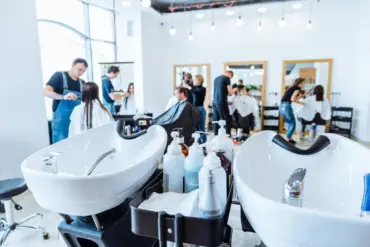
But before you dive in, there’s one major challenge you need to think about: space and resource allocation in your salon. Unlike traditional hair services, scalp treatments require extended use of the hair wash station and a dedicated space for treatments—something that can be tricky to navigate in a busy salon environment.
So, how do you make it work? Let’s break it down.
🚧 The Hair Wash Station Bottleneck
One of the biggest obstacles to adding scalp spa services is the heavy reliance on the hair wash station. Most salons use these stations for quick washes (5-10 minutes), while a scalp spa service can require 30 minutes or more. This can quickly become a bottleneck, leading to:
✔️ Scheduling conflicts with other stylists
✔️ Longer client turnover times
✔️ Frustration from co-workers needing the same resource
✨ Solution: Scheduling & Priority Access
• If you’re renting a chair in a salon, negotiate dedicated time slots for the wash station during off-peak hours.
• In a commission-based salon, discuss with management the possibility of reserving one station for longer treatments or offering scalp spa services on slower days.
• Consider investing in a portable shampoo unit for flexibility, especially if your salon has a private room or unused space.
💇♀️ Do You Need a Cutting Station?
If you’re offering scalp treatments only, you may not need a full styling station. However, many clients will expect at least a blow-dry or light styling after their service. If your salon is already maxed out on space, this can be another logistical challenge.
✨ Solution: Multi-Use Spaces
• Transform an existing styling station into a treatment and styling area with a comfortable reclining chair.
• Use a portable styling chair and a small trolley to create a flexible, moveable setup.
• If offering trims, see if your salon allows dual-purpose chair use, switching between scalp treatments and cutting when needed.
🏢 Standalone or Salon-Based?
Many stylists looking to specialize in scalp health eventually move into private salon suites or partner with wellness-focused spaces (like med spas) to avoid resource conflicts. If you’re finding it tough to integrate scalp treatments into your current salon setup, exploring a salon suite or small private space could be the next step.
🔥 Ready to Add Scalp Spa Services?
If you’re passionate about scalp health and want to learn how to offer these services the right way, the first step is education. Understanding treatment protocols, product selection, and the business side of offering scalp spa services can set you apart from other stylists.
We offer specialized scalp spa education courses designed for stylists looking to add this in-demand service without disrupting their current business. You’ll learn:
✅ How to structure scalp treatments into your existing salon schedule
✅ The best products & techniques for different scalp concerns
✅ How to market and price your scalp spa services
Want to learn more? [Link to Course]
Adding scalp spa services can be hugely profitable and in demand, but making it work in a traditional salon setting takes some planning. With the right strategy, you can offer high-end scalp treatments without creating space and resource headaches.
Wrong! A scalp spa treatment is not just about washing your hair. It involves deep cleansing, exfoliation, hydration, and even scalp massages that improve circulation and promote healthy hair growth. It’s skincare for your scalp!
2. “I Don’t Have Scalp Issues”
Wrong! Most people do have scalp issues—they just don’t notice them. Buildup from hair products, environmental toxins, and even hard water can clog follicles and impact hair health. A scalp spa helps maintain balance before problems arise.
3. “It’s Too Expensive”
Wrong! A quality scalp treatment is an investment in scalp and hair health. It can prevent expensive hair loss treatments, dandruff issues, and even premature graying. Plus, a good scalp spa can make your hair products work better, saving you money in the long run.
4. “It’s Only for People with Hair Loss”
Wrong! While scalp treatments do help with thinning hair, they benefit everyone—even those with thick, healthy hair. A clean, well-nourished scalp means shinier, stronger, and faster-growing hair for all.
5. “I Can Just Use a Scrub at Home”
Wrong! While DIY scrubs can help a little, they don’t compare to professional-grade treatments. Scalp spas use specialized products, steam therapy, and massage techniques designed to detox, rebalance, and rejuvenate your scalp in ways home treatments can’t.
6. “I Wash My Hair Regularly, So I Don’t Need It”
Wrong! Regular shampooing doesn’t remove all the buildup from styling products, sweat, and pollution. A scalp spa goes deeper, unclogging follicles and boosting circulation for a healthier scalp.
7. “It’s a Trend, Not a Necessity”
Wrong! Scalp care has been a key part of beauty rituals in cultures like Japan and Korea for decades. The West is just catching up! Just like facial treatments are essential for glowing skin, scalp spas are key to beautiful hair.
8. “It’s Not Relaxing—Just Another Salon Service”
Wrong! A scalp spa is one of the most relaxing treatments you can experience. The combination of scalp massage, aromatherapy, and warm steam can melt away stress while boosting serotonin levels.
9. “I Don’t Have Time for That”
Wrong! Many scalp treatments take less time than a full hair appointment. Plus, taking care of your scalp prevents hair issues, meaning fewer emergency fixes (like deep conditioning or breakage repair) in the future.
10. “It Won’t Make a Difference”
Wrong! After just one session, most clients notice less itchiness, reduced oiliness or dryness, and softer, healthier hair. With regular treatments, scalp health improves, leading to stronger, shinier, and faster-growing hair.
Final Verdict: Scalp Spa Treatments Are Essential!
If you want healthy, vibrant hair, you need to start with a healthy scalp. A scalp spa is not just a luxury—it’s a game-changer for anyone who cares about hair health!
✅ You’re Right! Healthy hair starts at the scalp. A scalp spa detoxifies and nourishes the scalp, unclogging follicles and boosting circulation, leading to stronger, shinier, and faster-growing hair. It’s the foundation of hair health!
2. “I Have Dry, Itchy, or Oily Scalp Issues”
✅ You’re Right! Whether your scalp is too dry, too oily, or just out of balance, a scalp spa can restore harmony. Deep exfoliation removes buildup, while hydration treatments soothe irritation and rebalance oil production, leaving your scalp refreshed.
3. “I’m Worried About Hair Thinning or Hair Loss”
✅ You’re Right! Hair loss often starts before you notice it. Scalp treatments improve blood circulation, strengthen follicles, and remove growth-blocking buildup, helping to prevent hair thinning and encourage regrowth.
4. “I Want a Deep Clean Beyond Regular Shampooing”
✅ You’re Right! Shampoo only removes surface dirt, but scalp spas go much deeper—eliminating product buildup, excess oils, pollution, and even hard water minerals. The result? A truly clean and refreshed scalp that breathes better and supports healthy hair.
5. “I Want a Relaxing, Self-Care Experience”
✅ You’re Right! A scalp spa isn’t just good for your hair—it’s amazing for your mind and body. The soothing scalp massage, warm steam, and aromatherapy release tension, reduce stress, and leave you feeling rejuvenated and refreshed.
Final Verdict: If You Care About Your Hair and Well-Being, a Scalp Spa is a No-Brainer!
Scalp treatments aren’t just a luxury—they’re an essential part of haircare, self-care, and stress relief. If you’re getting one, you’re absolutely making the right choice!
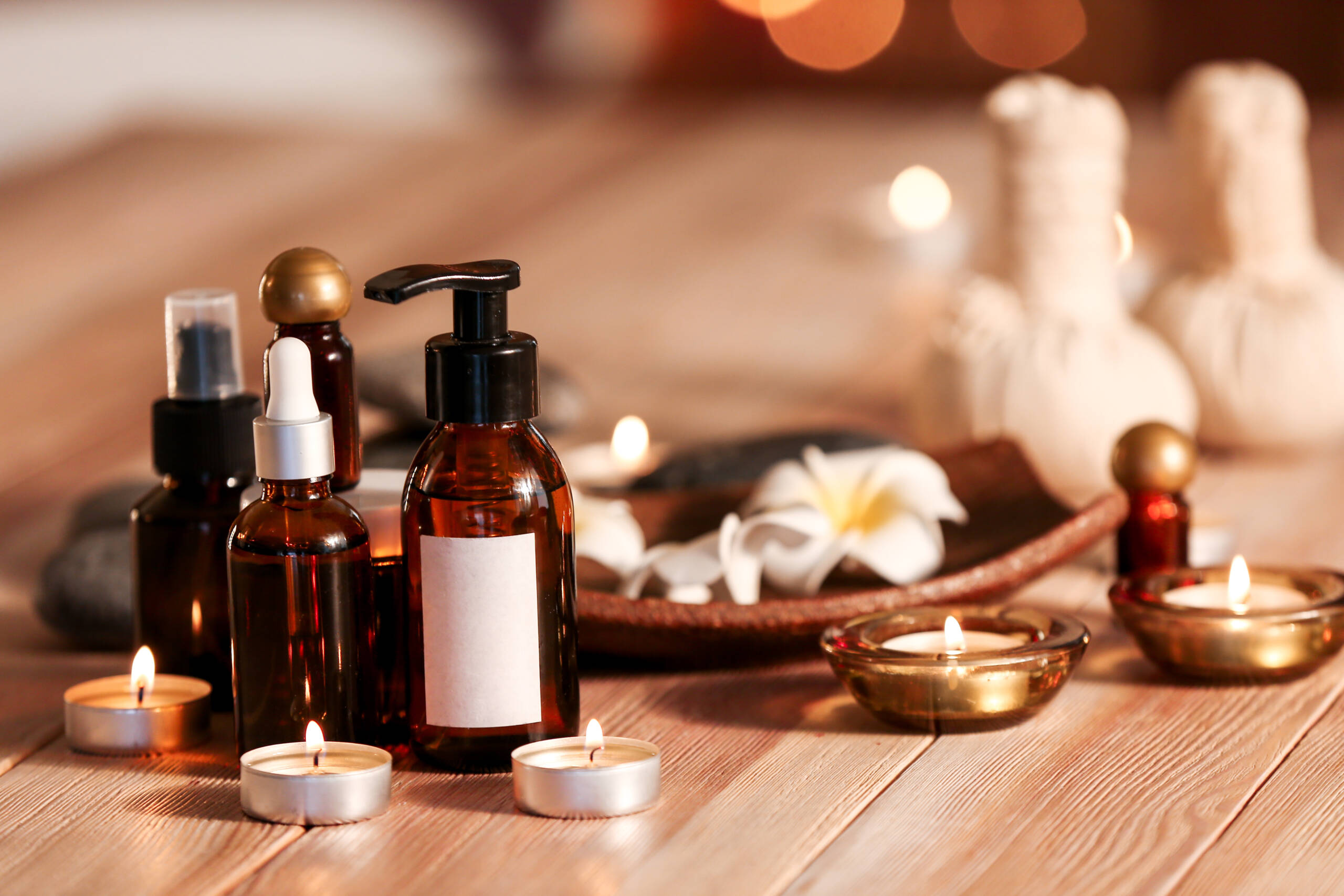
A relaxing head massage with oil can transform haircare into a spa-like experience.
Hair oiling is an age-old practice that has recently become a trendy hair spa treatment – and for good reason. It involves massaging oil into the scalp and hair to deeply condition and strengthen your tresses. Beyond the indulgent, relaxing feel of warm oil on your scalp, this ritual packs serious benefits: it can smooth the hair cuticle, add shine, reduce frizz, and even minimize breakage by forming a protective layer around strands parachuteadvansed.com. Many people also find that regular oiling soothes a dry scalp and reduces flakiness or dandruff by locking in moisture
us.tangleteezer.com. In this blog, we’ll explore how to make the most of hair oiling – from choosing the right oils for your hair type to pro techniques and common mistakes to avoid – all in a friendly, professional tone. Whether you’re a hair spa professional or just a hair-care enthusiast, read on for an informative yet approachable guide to luscious, oil-treated locks!
Benefits of Hair Oiling
Hair oiling isn’t just a cultural tradition or a pampering spa step – it delivers real, tangible benefits for your hair and scalp. Here are some of the top perks of regular oiling:
Intense Moisturization: Oils are superb at providing and locking in moisture. Certain oils (like coconut and argan) can penetrate the hair shaft for deep hydration, while others (like jojoba and almond) seal the surface to prevent moisture loss us.tangleteezer.com. This means softer, smoother hair that stays hydrated longer.
Strength and Damage Protection: Oiling your hair coats it in a protective layer that guards against wear and tear from washing, styling, and the environment parachuteadvansed.com. By smoothing down the cuticle and reducing friction, oiling can lead to less breakage, fewer split ends, and stronger hair overall. In fact, applying oil before washing helps reduce “hygral fatigue” – the swelling and drying cycle hair goes through when wet – which keeps strands from weakening over time healthline.com
Scalp Health & Growth: A good oil massage isn’t just great for your hair – it benefits your scalp too. Gently massaging oil into the scalp exfoliates any dry flakes and boosts blood circulation. This can help combat dandruff caused by dryness and may promote healthier, faster hair growth from the root by improving follicle health healthline.comus.tangleteezer.com. A nourished, conditioned scalp is the foundation for strong hair.
Frizz Control and Shine: If smooth, glossy hair is your goal, oiling is your friend. Oils fill in gaps in the hair cuticle and replace lost lipids (natural oils) in the strand, taming frizz and boosting shine us.tangleteezer.com. Even a single oil treatment can leave hair looking more polished and less poufy. Over time, regular oiling restores luster to dull hair – it’s like a natural shine serum!
In short, hair oiling is a multi-tasking treatment: it moisturizes, strengthens, protects, and heals. It’s the reason so many people credit oiling with transforming dry or damaged hair into silky, resilient lockshealthline.com.
Now, let’s dive into choosing the best oils for your specific hair needs.
Best Oils for Different Hair Types
Not all oils are created equal, and choosing one that suits your hair type will give you the best results. Here’s a rundown of oils that work best for different hair types and concerns, from desert-dry curls to fine, oily strands:
Dry or Damaged Hair
If your hair is dry, brittle, or chemically-damaged, reach for richer, deeply nourishing oils. Coconut oil is a superstar for dry hair – it has a unique ability to bond with hair proteins and penetrate the shaft, reducing protein loss and damage in both healthy and bleached hair healthline.com. It’s fantastic for restoring moisture and elasticity. Olive oil is another great option to condition parched strands; while its molecules are a bit large to fully penetrate hair, it excels at coating the outside of the hair to smooth and protect it, giving instant shine and softness us.tangleteezer.com. For extremely dry or coarse hair, castor oil (often used in Afro-textured hair care) is a thick, heavy-duty oil that can seal in moisture—perfect as a pre-shampoo treatment for thick, thirsty hair luxyhair.com. You can also try argan oil for dry or frizzy hair; nicknamed “liquid gold,” argan is rich in vitamin E and fatty acids that tame frizz, mend split ends, and add shine without being as greasy as heavier oils luxyhair.com. Dry hair tends to drink up oil, so don’t be afraid to do an overnight oil mask with any of these oils for an extra dose of hydration.
Curly or Coarse Hair
Curly hair often craves moisture and tends to be on the drier side, so oils can be a curl’s best friend. Coconut, argan, olive, and castor oils all work well for curls – they help define curl pattern by reducing frizz and providing slip, making detangling easier. Many people with curls use the “LOC” method (Leave-in, Oil, Cream) to layer moisture, with oil as the crucial middle step sealing in hydration. Penetrating oils like coconut or olive will moisturize from within, while heavier sealing oils like castor or jojoba lock that moisture in by coating the hair us.tangleteezer.com. Jojoba oil is also great for curly hair because it’s actually quite lightweight and closely mimics our natural scalp oil; it nourishes without build-up. One thing to note: some curly-haired folks find coconut oil can make their hair a bit stiff or “crunchy” over time – this may be due to protein buildup us.tangleteezer.com. If you notice this, switch to a different oil for a while (argan or sweet almond are good alternatives). Overall, regular oiling can enhance your curl softness and shine, and keep that frizz halo at bay.
Oily or Fine Hair
If you have an oily scalp or very fine, straight hair, you might be wary of hair oils – but you can still oil your hair, you just have to choose the right ones and use them sparingly. Lightweight oils are key here. Jojoba oil is excellent for oily-prone scalps because it closely resembles sebum (the oil your scalp produces) and can actually help regulate oil production – essentially tricking your scalp into thinking it’s already adequately oiled luxyhair.com. Jojoba is absorbed quickly and won’t leave a heavy residue, so it’s also great for fine hair that gets weighed down easily. Another light oil to consider is grapeseed oil, which is praised for imparting shine and softness without a greasy feel (it’s often recommended for fine hair to add moisture and reduce frizz) elle.com. You can also use argan oil in moderation – just a drop or two rubbed between your palms and smoothed onto the ends of fine hair can boost shine and smoothness. If your scalp is very oily or prone to dandruff, try adding a couple of drops of tea tree oil (an essential oil) to a tablespoon of a carrier oil like jojoba. Tea tree oil has natural antibacterial and clarifying properties that cleanse the scalp and can help unclog hair follicles luxyhair.com. Remember, with oily or fine hair, less is more: focus oil application on the ends of your hair and mid-lengths, and use only a small amount on the scalp (or skip the scalp entirely) to avoid greasiness. You’ll still get the conditioning benefits without the limp locks. And if you’re truly nervous about oils making your hair flat, you can opt for an oil-infused lightweight serum or spray as a compromise.
Normal or Combination Hair
For hair that’s “normal” (not overly dry or oily) or a mix (oily scalp, dry ends), you can play around with most oils or even blends. Sweet almond oil is a good all-around oil – it’s medium weight, very nourishing (packed with vitamin E, B, and magnesium), and suits a variety of hair types without being too greasy healthline.com. It’s great for combination hair because it’s light enough for the scalp in moderation, yet moisturizing enough for dry ends. Sesame oil (common in Ayurvedic treatments) is another versatile oil; it’s vitamin-rich and known to strengthen hair and reduce frizzhealthline.com, making it nice for normal hair that just needs a health boost. And you really can’t go wrong with coconut oil here as well – use it as a weekly pre-wash treatment to keep your hair’s protein intact and give it overall shine and protection healthline.com. People with normal hair might not need to oil as frequently, but incorporating an oil treatment every now and then can keep your mane in tip-top shape. Feel free to adjust the oil and frequency based on seasonal needs too (for instance, you might oil more in dry winter months and a bit less in humid summer).
Tip: No matter your hair type, do a quick patch test when trying a new oil, especially more exotic ones or essential oils. Apply a small amount to your inner arm and wait a few hours to ensure you don’t have an allergic reaction healthline.com. It’s rare, but better safe than sorry!
Techniques for Effective Hair Oiling
Once you’ve got your oil of choice, how you apply it can make a big difference in the results. Hair spa professionals often use specific techniques to get the most out of an oil treatment. Here are some effective oiling methods to turn your oil application into a true spa-like ritual:
Hot Oil Treatment
One luxurious way to oil your hair is with a hot oil treatment. Warming the oil (never boiling hot, just comfortably warm) helps the oil penetrate deeper into the hair cuticle and scalp. In fact, heating an oil slightly can increase its effectiveness and absorption parachuteadvansed.com. To do a hot oil treatment at home, choose an oil (olive, coconut, almond, and avocado are popular for this) and warm it up by placing the container in a bowl of hot water for a few minutes. Test the temperature with your finger to make sure it’s not too hot and only then apply it to your scalp and hair. As you work the warm oil in, you’ll notice it feels incredibly soothing. Hot oil treatments are especially beneficial if your hair is very dry, frizzy, or prone to split ends. The heat helps the oil seal the hair cuticle, which can significantly reduce frizz and tangles, and it tends to leave the hair feeling extra silky. Additional benefits of hot oil treatments include increased hair strength and elasticity, less dryness on the scalp (great if you have flakes), and even a reduction in breakage and split end formation healthline.com. For a spa-like experience, after applying the warm oil, cover your hair with a shower cap and wrap a warm towel around your head – this creates a cozy environment for the oil to do its magic. Leave it on for at least 20-30 minutes (some people keep it overnight for maximum hydration). Then rinse and shampoo thoroughly. Your hair should feel softer and more moisturized. Safety note: Be careful not to overheat the oil – it should be warm, not scalding. Always do the wrist test (a drop on your wrist to check temp) to avoid any burns healthline.com.
Scalp Massage
Scalp massage is arguably the best part of hair oiling – it’s relaxing and super beneficial for your hair. When you massage oil into your scalp, you’re boosting blood circulation to hair follicles, which can deliver nutrients and oxygen that support hair growth healthline.com. Start by applying a few tablespoons of your chosen oil onto different sections of your scalp. Then, using the pads of your fingers (not your nails), massage in small circular motions. Apply gentle pressure and enjoy the process – this should not be rushed. A good scalp massage with oil helps dislodge any dry flakes and distributes the oil evenly, ensuring your roots are well-coated. In fact, gentle exfoliation of the scalp from the massage can help reduce hair fall healthline.com because it keeps the follicles clean and stimulated. Aim to massage for about 5-10 minutes. If you’re at a spa, the stylist will often spend a dedicated time on this step, since it’s great for relaxation and scalp health. Pro tip: Massage from front to back and all around the head, making sure to cover the entire scalp. You can even flip your head upside down for a minute while massaging to increase blood flow (some people swear by this “inversion” trick for hair growth, though even without flipping, the massage is beneficial). Once you’re done, you can use the remaining oil on your hands to coat the rest of your hair length. A proper scalp massage not only leaves you feeling calm and pampered, it ensures your hair follicles are well-stimulated and your scalp has absorbed those nutritious oils.
Pre-Wash Treatment (Pre-Poo)
Using oil before you wash your hair – also called a pre-wash or “pre-poo” treatment – is a game-changer, especially if shampooing usually leaves your hair feeling dry. When hair gets wet, it swells, and then it contracts as it dries – repeatedly doing this can weaken the hair (imagine a balloon being filled and emptied over and over). Oiling in advance minimizes this water-induced stress, known as hygral fatigue healthline.com. To do a pre-wash oiling, apply your oil to dry hair and scalp anywhere from 30 minutes to a few hours before you plan to shampoo. Even just 15-20 minutes can help, though longer is better. Coat the hair thoroughly – it doesn’t need to be dripping, but each section of hair should get some oil love. Many people like to detangle their hair before oiling, then braid or clip it up after applying the oil. This keeps the oily hair neat while it soaks in. When wash time comes, apply shampoo to your oily hair before wetting it – this is a little trick to help the shampoo bind to the oil and wash it out more easily healthline.com. Then add water, lather, and rinse as usual (you may need to shampoo twice). Finish with conditioner on your lengths as you normally would. You’ll likely notice your hair feels softer and less “stripped” because the oil acted as a buffer against the shampoo’s detergents. Pre-poo oiling is especially useful if you have curly or coarse hair that is prone to dryness, or if you use sulfate shampoos. It’s also a good technique if you’re trying to grow out your hair – protecting those fragile ends during washes will help retain length. As an added bonus, oiling before a shower can save time afterthe shower; your hair will already be detangled and conditioned, so blow-drying or styling will be a smoother process.
Post-Wash and Leave-In Oiling
While traditionally hair oiling is done pre-wash, you can also incorporate tiny amounts of oil on clean hair as a leave-in conditioner or styling aid. For instance, after washing and while your hair is damp, you can apply a few drops of argan oil or a lightweight oil serum to the ends of your hair to lock in moisture and add shine. Some natural oils can even offer mild heat protection – a light coating of oil may help reduce damage if you’re blow-drying (though for high heat tools, use a dedicated heat protectant product). Using oil post-wash is very much about moderation: think 1-2 drops of oil, rubbed between your palms and then patted or scrunched into the ends of the hair, never the roots. This can calm frizz and make your hair look polished. Many hair spa professionals finish an oil treatment session by applying a dab of oil or an oil-based serum to the client’s hair after the blowout, as a finishing touch for shine. If you’re air-drying, a bit of oil can also help define waves or curls. Just be careful – too much can make clean hair look greasy again. Start with a tiny amount; you can always add more if needed.
Incorporating Hair Oiling into Your Routine
Applying a few drops of oil to your hair ends or scalp regularly can dramatically improve hair quality over time.
Consistency is key with hair oiling. To truly reap the benefits, you’ll want to make it a regular part of your hair care routine. How often should you oil? It depends on your hair’s needs, but a good rule of thumb for most people is once or twice a week. In fact, many experts recommend oiling at least 2 times a week, ideally the night before you plan to wash your hair healthline.com. For example, if you usually wash your hair on Wednesday and Sunday, those evenings might be your oiling nights. Applying the oil a night in advance lets it really sink in (plus, you get to wash out the excess the next day). If overnight oiling doesn’t suit your schedule, you can oil a few hours before washing instead – even an hour ahead of time with a hot towel wrap can deliver nourishment to your hair healthline.com.
In between those deep oil treatments, you can still use oils in smaller ways. A pea-sized amount of light oil as a daily leave-in can help with dryness or frizz on non-wash days. For instance, rub a drop of almond or argan oil between your fingertips and smooth it over your ends or any flyaways – this can substitute for or complement your usual styling products luxyhair.com
. Some people also like to apply a little oil to their hair before swimming (to protect hair from chlorinated water) or before using heat styling tools (as a makeshift heat protectant, though again, use sparingly).
When integrating oiling into your routine, listen to your hair’s feedback. If you notice your hair getting oily too quickly or looking flat, you might be oiling too often or using an oil that’s too heavy – try cutting back to once a week or switching to a lighter oil. Conversely, if your hair is still feeling dry, you can oil more frequently or even try overnight oil “slugging” (coating your hair in oil and wrapping it overnight) once a week for a more intense treatment. The beautiful thing about hair oiling is its flexibility – you can tailor it to your routine. It can be a stand-alone self-care ritual (picture a Sunday night massage and hot oil soak while you relax) or a quick 5-minute application before a shower.
One practical tip: designate an old T-shirt or towel for oiling days, to protect your clothing and pillowcases from oil stains. If you’re oiling overnight, wrapping your hair in a silk scarf or wearing a shower cap can prevent messes.
Finally, remember that incorporating hair oiling into your regimen is as much about the experience as the outcome. Turn it into a relaxing ritual. Maybe give yourself a scalp massage while watching your favorite show, or use it as an excuse to meditate for 10 minutes. By making it a pleasant routine, you’ll be more likely to keep it up consistently – and consistent care is what leads to healthier, happier hair.
Expert Tips and Common Mistakes to Avoid
Even something as simple as oiling has its do’s and don’ts. To make sure you get the most out of your hair oiling (and avoid any pitfalls), keep these expert tips in mind:
DO warm the oil first: If possible, slightly warm your oil before application (either by dunking the oil bottle in hot water or warming a small bowl of oil). It should be lukewarm, never hot to the point of burning parachuteadvansed.com. Warm oil spreads more easily and can penetrate the hair and scalp better, enhancing its benefits. Plus, it just feels awesome on the scalp!
DO detangle and section your hair: It’s best to oil hair that’s tangle-free. Gently detangle your hair with a wide-tooth comb before oiling to minimize breakage. Work in sections (for example, split hair into 4 sections) so you can systematically apply oil to your entire scalp and length. This ensures no spot is missed and helps distribute oil evenly.
DON’T use too much oil: A very common mistake is thinking “more oil = more benefit.” In reality, you only need enough oil to lightly coat your scalp and hair. Using excessive oil will just make washing it out a nightmare (you might have to shampoo 3 times, which defeats the purpose of nourishing your hair!) parachuteadvansed.com. Start with a tablespoon or two, depending on hair length, and add more only if needed. Remember, your hair and scalp should be coated, not drenched in oil.
DO focus on the ends (and the scalp): When oiling, massage your scalp well – that’s where new hair growth and blood circulation magic happens. But also apply oil to the ends of your hair, which are the oldest and tend to be driest. The ends can soak up the oil and become softer and less prone to splitting parachuteadvansed.com. Many people forget the ends, but they need love too! You can smooth leftover oil from your palms down the lengths and ends after you’re done massaging your scalp.
DON’T be rough in your massage: Be gentle with your hair and scalp. Use the pads of your fingers to massage; never scrape with your nails (this can cause scratches or irritate the scalp). Also, avoid yanking or roughly combing your hair when it’s full of oil – hair is in a more elastic, delicate state when coated and can stretch or break easier. If you need to comb, use a wide-tooth comb and start from the tips, working upward carefully.
DO let it sit, but DON’T leave it in forever: Allowing the oil to soak in is important – aim to leave it on for at least 30 minutes, or a few hours, or overnight if your hair is very dry and you prefer it. However, don’t leave oil in your hair for days on end without washing. This can attract dirt and dust to your scalp and clog hair follicles over time parachuteadvansed.com. Oiling is a treatment, not a leave-in styling product (except for the tiny serum-like touch-ups mentioned earlier). As a general guideline, wash out any heavy oiling within 24 hours.
DON’T oil a very dirty scalp: If your scalp has a lot of buildup or dandruff, adding oil on top might not be the best idea. In cases of fungal dandruff, some oils (like coconut) could even feed the yeast that causes flakes. Make sure you’re addressing scalp issues appropriately – sometimes it’s best to treat dandruff first, then introduce oiling once the scalp is calmer. Alternatively, use an oil with anti-dandruff properties (like neem oil or a few drops of tea tree in a carrier oil) and always shampoo out thoroughly. If you have an oily scalp, you can still oil massage occasionally, but you might not need to do it as often. Focus more on mid-lengths and ends in that case, and choose lighter oils.
DO patch-test and personalize: Everyone’s hair and skin are different. It’s wise to patch test new oils on your skin (inner arm) to check for allergies healthline.com, especially for essential oils or herbal oils. Also, pay attention to how your hair responds. If you find one type of oil isn’t suiting you (causing greasiness, or an itchy scalp, etc.), try another type. Some people’s hair loves coconut oil, while others prefer argan or almond or mustard oil – and that’s okay. Personalize your oil choice and routine to what makes your hair happiest.
DO wash thoroughly (and condition): When it comes time to wash out the oil, use a good shampoo and take the time to rinse well. It can help to shampoo dry hair first (as mentioned earlier) or use a clarifying shampoo if you used a heavy oil. Make sure you get all the oil out, especially from the scalp, so you’re not left with a greasy residue. Follow up with conditioner on your ends as needed – yes, some people skip conditioner after oiling since hair feels soft, but if your hair tends to tangle or you used a clarifying shampoo, a bit of conditioner can’t hurt. The goal is hair that feels clean but still moisturized.
DON’T forget to enjoy the process: This one’s more of a tip than a warning – don’t treat oiling as a chore. It’s a chance to give yourself (or your client, if you’re a pro) a relaxing experience. Put on some music or a show, light a scented candle, or just enjoy the quiet “me-time” while you massage in the oil. The stress-relief aspect of hair oiling is a benefit in itself. After all, a relaxed mind contributes to healthy hair growth too!
By keeping these tips in mind, you’ll ensure that your hair oiling sessions are both effective and enjoyable. It’s all about balancing tradition with a bit of modern science – and listening to what your hair needs. With the right oils, techniques, and routine, hair oiling can truly feel like a rejuvenating hair spa at home, leaving you with healthier hair one treatment at a time. So go ahead, get that oil warming, and treat your hair to some well-deserved TLC!
The beauty industry is constantly evolving, with new trends emerging that transform the way we care for ourselves. One of the fastest-growing wellness movements? Scalp spas. Once a hidden secret of high-end salons and luxury beauty hubs, scalp spa treatments are now gaining widespread attention for their ability to revolutionize hair health, promote deep relaxation, and offer an entirely new approach to self-care.
If you’ve noticed more people raving about the benefits of scalp facials, detox treatments, and customized hair therapy, you’re not alone. From celebrities and beauty influencers to wellness enthusiasts, everyone is talking about scalp spas—and for good reason. It’s time to find out why this service is making waves and why you need to experience it for yourself.
The Scalp Spa Boom: Why This Trend is Taking Over the Beauty Industry
1. The Shift Toward Scalp Health – “Skinification of Hair” In the past, hair care was mostly about styling—choosing the right shampoo, conditioner, and heat protectants to create a polished look. But today, experts are emphasizing that a healthy scalp is the foundation of beautiful hair.
Much like how the skincare industry evolved to focus on deep nourishment and targeted treatments, the concept of “skinification of hair” has gained traction. This means treating the scalp like the skin on your face—cleansing, exfoliating, hydrating, and nourishing it with high-quality ingredients to improve long-term hair health.
Scalp spas embody this new beauty philosophy, offering treatments that address issues like:
Product buildup and clogged hair follicles
Dandruff and excessive oil production
Dryness, flakiness, and irritation
Thinning hair and sluggish growth
Lack of scalp circulation leading to weak, brittle hair
Instead of just masking these problems with temporary solutions, scalp spas focus on correcting the root causes—leading to stronger, healthier hair from the inside out.
2. A Luxury Experience That Feels as Good as It Looks Let’s be honest—getting your hair washed at a salon already feels amazing. Now, imagine that experience elevated into a full therapeutic treatment, where every step is designed to relax your mind, improve your scalp health, and boost hair growth.
A 60-minute scalp spa session typically includes:
Deep Cleansing & Detoxification – Removes buildup, oil, and environmental impurities that weigh hair down. Nourishing
Masks & Serums – Infused with vitamins, essential oils, and botanicals to restore balance.
Steam Therapy – Opens the pores, allowing deep penetration of hydrating treatments.
LED Light Therapy (in advanced scalp spas) – Uses low-level red light to stimulate hair growth and scalp rejuvenation.
It’s not just a treatment—it’s a whole experience. Imagine leaving the spa feeling refreshed, recharged, and with hair that looks and feels completely revitalized.
3. The Wellness Factor: Stress Relief & Total Rejuvenation Scalp health isn’t just about hair—it’s also about your overall well-being. Many people don’t realize that stress, poor circulation, and muscle tension in the scalp can contribute to headaches, fatigue, and even hair loss.
Scalp spa treatments incorporate soothing massage techniques that activate pressure points, increase oxygen flow, and release built-up tension. These massages don’t just feel good—they can actually help regulate stress hormones like cortisol while promoting relaxation and mental clarity.
This connection between beauty and wellness is a big reason why scalp spas are gaining popularity. People aren’t just booking treatments for better hair—they’re booking them for stress relief, self-care, and a much-needed escape from daily pressures.
4. Celebrities & Beauty Experts Are Leading the Charge Whenever a beauty trend reaches the A-list, it’s bound to take off. Celebrities, influencers, and beauty professionals are all singing the praises of scalp spa treatments.
From Hollywood stars getting customized scalp facials before red carpet events to wellness gurus promoting the benefits of hair health, the industry is buzzing about this trend. Even high-end salons and beauty brands are investing in scalp-focused products and treatments because they recognize the growing demand.
Many influencers have shared their before-and-after results, showing shinier, thicker, and healthier hair after just a few sessions. And with social media spreading awareness about the importance of scalp care, it’s no surprise that more and more people are eager to experience the benefits for themselves.
5. “Try It for Yourself” Culture: The FOMO Effect One of the biggest reasons scalp spas are gaining momentum? People are curious—and they want to experience the results firsthand.
Think about it: Everyone loves discovering a new beauty secret before it goes mainstream. And with more people sharing their scalp spa experiences online, the excitement is growing fast.
The best way to understand what all the hype is about? Try it for yourself.
A 60-minute scalp spa session is the perfect way to:
Test the benefits first hand without a huge time commitment.
Experience total relaxation while improving your hair health.
See immediate results—lighter, cleaner, more vibrant hair.
Decide if scalp spa treatments should become part of your long-term self-care routine.
It’s Your Turn: Book a Scalp Spa Session & Join the Trend!
Scalp spas aren’t just a passing trend— they’re the future of holistic hair care and self-care.
If you’ve ever struggled with scalp issues, dull hair, or just want to experience the ultimate relaxation and rejuvenation, now is the time to see what everyone is talking about.
Ready to try it? Book a 60-minute scalp spa session today and experience the difference for yourself. Whether you’re looking for a game-changing hair treatment or just need an hour of pure tranquility, this is your invitation to join the scalp spa revolution.
Don’t miss out—experience the beauty, the wellness, and the excitement of a scalp spa today!
A healthy scalp is fundamental to healthy hair. Think of your scalp as the soil in which your hair grows – just as poor soil leads to weak plants, a neglected scalp can result in dull, brittle hair. Many of us tend to overlook scalp care until problems arise. But anyone who has dealt with constant itchiness, flaking, or tenderness knows how these issues can be distracting and impact confidence. Prioritizing scalp health not only promotes stronger hair, it also contributes to overall comfort and well-being.
Head spa treatments have become popular for their holistic focus on scalp health and relaxationthesageheadspa.com. They offer a soothing experience that deeply cleanses the scalp while relieving stress, bridging beauty and wellness.
Common Scalp Issues
Even if you take good care of your hair, the scalp can face a range of common issues. Addressing these concerns is often the first step toward revitalizing your scalp and hair:
Dryness: A dry scalp lacks moisture, leading to tightness, itching, and white flaking. It occurs when the scalp skin loses too much water, sometimes due to harsh hair products, weather, or simply aging. Dryness is different from dandruff – if your scalp and possibly even your skin elsewhere feel dehydrated, dryness is likely the culprit.
Dandruff: Dandruff involves oily, larger flakes often caused by excess sebum (oil) and yeast on the scalp. Seborrheic dermatitis, a common skin condition, is a major cause of dandruff. It produces greasy or yellowish flakes and can be persistent if not addressed.
Excess Oil & Clogged Follicles: Too much oil (sebum) on the scalp can mix with sweat and product residue to form buildup. If left untreated, this buildup can clog hair follicles, leading to issues like dandruff, scalp acne, or even follicle infectionsverywellhealth.com. Clogged follicles may also trigger folliculitis – inflammation or infection of the hair follicle – which in severe cases can cause sores and contribute to hair thinning or loss.
Irritation & Redness: An inflamed scalp often shows up as redness, bumps, or scabs. These are signals of irritation and underlying inflammation. Dermatologists warn that ongoing scalp inflammation can damage hair follicles and potentially lead to permanent hair loss if not addressed.
Hair Thinning: When the scalp isn’t healthy, hair can suffer. Conditions like chronic buildup or inflammation may weaken follicles over time, causing hair to grow thinner or fall out more easily. Additionally, scalp conditions like psoriasis or prolonged dandruff have been linked to increased hair breakage and reduced shine. Ensuring the scalp is clean and nourished is essential for maintaining hair density.
Scalp Acne: Yes, you can get pimples on your scalp too. Excess oil and debris can clog pores on the scalp just as on facial skin. The result is pimple-like bumps that may be tender or itchy. In fact, sebum buildup on the scalp is associated with acne and even local skin infections if bacteria proliferateverywellhealth.com. Keeping the scalp clean and balanced helps prevent these breakouts.
Poor Circulation: Often overlooked, scalp circulation plays a role in hair health. Poor blood flow to the scalp means hair follicles receive fewer nutrients and less oxygen, which can slow down hair growth and make new hairs weaker. Factors like stress, tension, or lack of stimulation can reduce circulation over time. Improving blood flow in the scalp is key to delivering the nourishment hair roots need.
Understanding these common scalp issues is important because it highlights why a targeted scalp treatment can be so beneficial. A scalp spa is designed to tackle many of these problems directly, creating a healthier foundation for your hair.
Benefits of a Scalp Spa
Visiting a scalp spa is more than a pampering treat – it provides practical, science-backed benefits for your scalp and hair. Here are some of the top wellness benefits you can expect from a scalp spa treatment:
Deep Cleansing: Professional scalp treatments involve intensive cleansing that goes beyond regular shampooing. Using gentle exfoliants and purifying masks, a scalp spa deeply cleanses the scalp of impurities and product buildup, creating a clean canvas for healthy hair growththesageheadspa.com. By removing dead skin cells and unclogging pores, deep cleansing helps prevent dandruff and allows follicles to breathe.
Hydration and Nourishment: A scalp spa doesn’t just clean – it also replenishes. Treatments often include hydrating serums, oils, or masks rich in vitamins and minerals to moisturize the scalp skin. These nutrient infusions nourish the scalp and fortify hair strands, addressing issues like dryness or brittle, thinning hairthesageheadspa.com. A well-hydrated scalp is less prone to irritation and supports more resilient, shiny hair.
Improved Circulation: One of the core benefits of a scalp spa is the emphasis on massage techniques that boost blood flow. Scalp massage and stimulation enhance micro-circulation, ensuring that more oxygen and essential nutrients reach the hair follicles. This improved blood supply creates an optimal environment for hair growth and helps keep hair follicles active and healthy. Over time, better circulation can contribute to thicker, stronger hair.
Hair Growth Stimulation: By combining exfoliation, increased circulation, and targeted nutrients, scalp spa treatments can stimulate hair growth. In fact, research suggests that regular scalp massages may lead to increased hair thickness. By unclogging follicles and delivering growth factors to the roots, a scalp spa can help jump-start sluggish follicles. While it’s not a miracle cure for genetic hair loss, many clients notice reduced shedding and more robust hair growth with consistent treatments.
Stress Relief: A scalp spa visit doubles as a stress-relieving ritual. The gentle, rhythmic scalp massage techniques used are deeply relaxing and have been shown to lower stress hormones like cortisol and even reduce blood pressure in some cases. Clients often find that tension in the temples, neck, and shoulders melts away during a scalp treatment. This stress relief isn’t just about feeling good in the moment – chronic stress can contribute to scalp issues like shedding or dandruff flare-ups, so relaxation is an important therapeutic benefit.
Rejuvenation and Wellness: Beyond the tangible hair benefits, a scalp spa provides a sense of overall rejuvenation. The experience can uplift your mood and leave you mentally refreshed. In addition to boosting serotonin and endorphins (the feel-good chemicals), scalp spa sessions offer a peaceful timeout from daily pressures. Many describe the aftermath as not only having “lighter,” cleaner hair, but also feeling recharged and more centered. This holistic rejuvenation – caring for your scalp, hair, and state of mind together – is what makes scalp spas a unique wellness experience.
By focusing on these benefits, scalp spas marry practical hair care with self-care. Treatments are designed to resolve scalp problems while also giving you a chance to unwind, which is a win-win for both your hair’s health and your overall wellness.
The Spa Experience: What to Expect
If you’re considering a scalp spa visit, you might wonder what the process actually involves. In a professional scalp spa, each step is tailored to improve scalp condition and enhance relaxation. Here’s an overview of what a typical scalp spa experience entails:
Scalp Analysis: The treatment usually begins with an expert evaluation of your scalp and hair. A specialist may use a magnifying tool or scanner to examine your scalp up close, checking for issues like dryness, oil buildup, or irritation. This thorough analysis helps identify your specific scalp concerns, so the subsequent treatment can be customized. Based on what they find, the practitioner will select specialized shampoos or scalp products suited to your needs. For example, if you have a flaky, dry scalp, they might choose a gentle exfoliating shampoo and a hydrating mask targeted for dryness.
Deep Cleansing & Exfoliation: Next comes a deep cleanse. Your scalp will be washed with professional-strength shampoo (often applied with a relaxing massage technique) to remove dirt, excess oil, and any residue from styling products. Many scalp spas incorporate exfoliation at this stage – this could be a physical scrub or a mild scalp peel that lifts away dead skin cells. By exfoliating, the treatment clears clogged pores and follicles, which can help reduce dandruff and improve circulation. Some spas also use steam or a warm towel wrap after shampooing; the steam opens up the pores on your scalp, allowing for even deeper cleansing and softening of any buildup.
Therapeutic Scalp Massage: A highlight of the scalp spa experience is the extended scalp massage. Once your scalp is clean, the practitioner performs a targeted massage using various techniques (such as gentle circular effleurage or deeper kneading motions). This isn’t just blissful – it’s highly beneficial. The massage stimulates blood flow to awaken hair follicles and help nutrients reach the roots. It also relaxes the scalp muscles and can relieve headaches or tension you might carry in your head and neck. In Japanese-inspired scalp spas, therapists often focus on acupressure points during the massage, which can further encourage circulation and promote a sense of whole-body relaxation. Don’t be surprised if you drift into a meditative state during this step – it’s incredibly calming.
Advanced Treatments and Masks: After the massage, many scalp spas will apply specialized treatments tailored to your scalp’s needs. This might include a nourishing scalp mask – for instance, a cooling aloe vera mask to soothe irritation or a vitamin-rich herbal mask to feed the scalp. In some modern scalp spas, LED light therapy is used as well. Low-level LED lights applied to the scalp can help stimulate cellular activity in hair follicles, which may encourage hair growth and improve scalp conditionthesageheadspa.com. Additionally, spas often incorporate natural oils or herbal infusions at this stage. For example, tea tree oil is sometimes applied for its antimicrobial and anti-inflammatory properties to combat dandruff and calm any redness. Another popular option is a ginger or peppermint scalp treatment; these ingredients create a tingling sensation that further boosts circulation while delivering plant-based nutrients to the scalp.
Relaxation and Finishing Touches: Throughout the session, the atmosphere is designed for tranquility – think soft lighting, pleasant aromas, and comfortable seating or lying positions. After treatments have been given time to work, your hair and scalp are usually rinsed one final time. The stylist may give a brief shoulder or neck massage as a final relaxation touch. The session typically concludes with a blow-dry or gentle styling. You’ll leave the spa not only with a cleaner, healthier scalp, but often with your hair looking refreshed and bouncy. The entire experience is unhurried, often lasting anywhere from 30 minutes to 90 minutes depending on the package, allowing you to fully unwind.
Many scalp spa sessions start with a close-up scalp analysis to personalize your treatment. A stylist may use high-tech tools to examine your follicles and identify issues, ensuring the products and techniques match your scalp’s needs.
By the end of a scalp spa visit, clients often remark on how “light” and revitalized their head feels. The combination of detoxifying treatment and massage therapy can make your scalp feel breatheable and your mind clear. It’s a blend of clinical care (addressing scalp and hair issues) and spa-like indulgence (providing deep relaxation).
Conclusion
Investing in your scalp wellness pays off in more ways than one. Remember that the condition of your scalp sets the stage for the quality of your hair – a well-cared-for scalp means your hair follicles can truly thrive. On the flip side, neglecting scalp health can lead to persistent problems like dandruff, irritation, or even premature hair loss. A scalp spa treatment is a proactive way to give your scalp the attention it deserves, combining expert care (deep cleansing, hydration, and stimulation) with the restorative power of relaxation.
Over time, maintaining a healthy scalp can result in stronger, shinier hair that’s less prone to breakage or shedding. Equally important, the stress relief and sense of rejuvenation you get from these treatments can boost your overall mood and well-being. In a busy world, taking an hour for a scalp spa is a chance to pause and practice self-care while also tackling any scalp issues at the root.
In summary, treating your scalp to a spa session is more than a cosmetic indulgence – it’s a holistic wellness practice. By nurturing the scalp, you’re not only fostering better hair growth, but also enjoying a relaxing escape that leaves you feeling refreshed. Healthy scalp, happy you: when your scalp is balanced and cared for, you can expect more resilient hair and the comforting confidence that comes with looking and feeling your best.